Garden City Marga

Industrial culture , Historic monuments and sites
0 Ratings of 5 (0)
0
0
0
0
0
How did you like your stay? You have already rated your stay.
Industrial culture, Historic monuments and sites
From €
Show availability & price

p.P. = per person, p.P./N = per person / night, p.E./N = per unit / night, EZ = Single room, DZ = double room, FeWo = holiday home, App. = apartment, Suite = suite, FR = Breakfast, HP = half board, VP = full board
Welcome to Germany’s oldest garden city – and the most beautiful works housing estate of the Lausitz region.
Continue readingcollapse
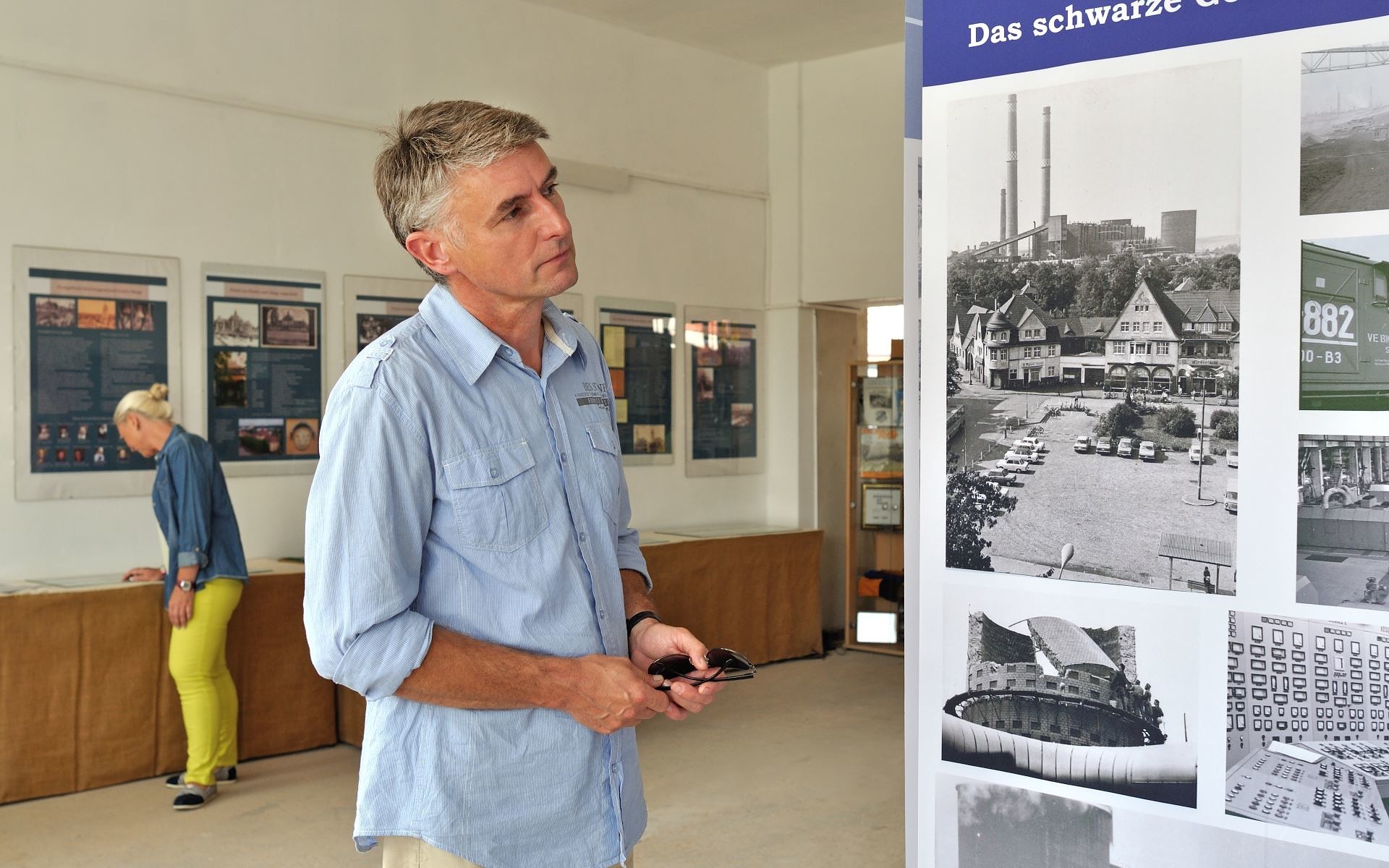
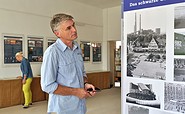
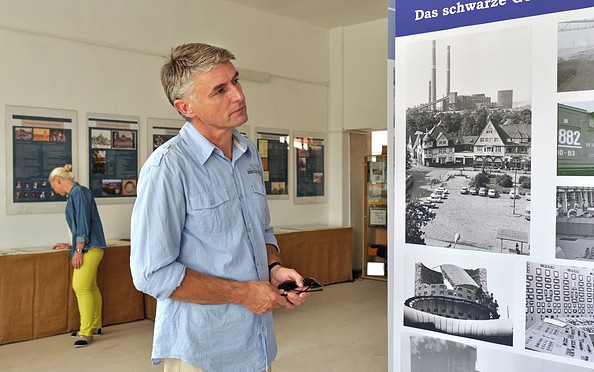
Gartenstadt Marga - Ausstellung, Foto: TV LSL/Nada Quenzel
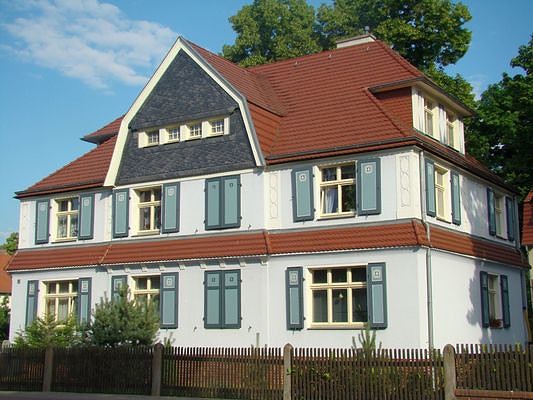
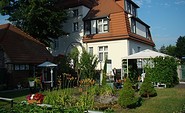
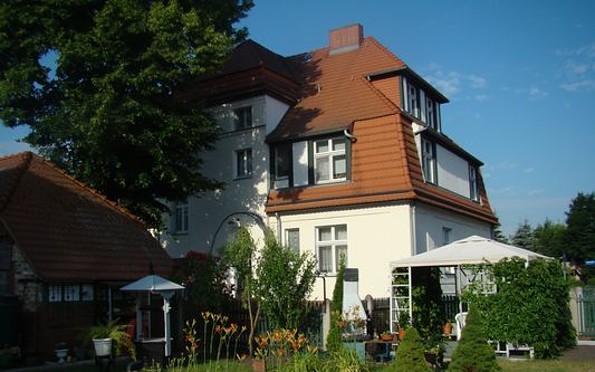
Die Gartenstadt Marga, Foto: Stadt Senftenberg
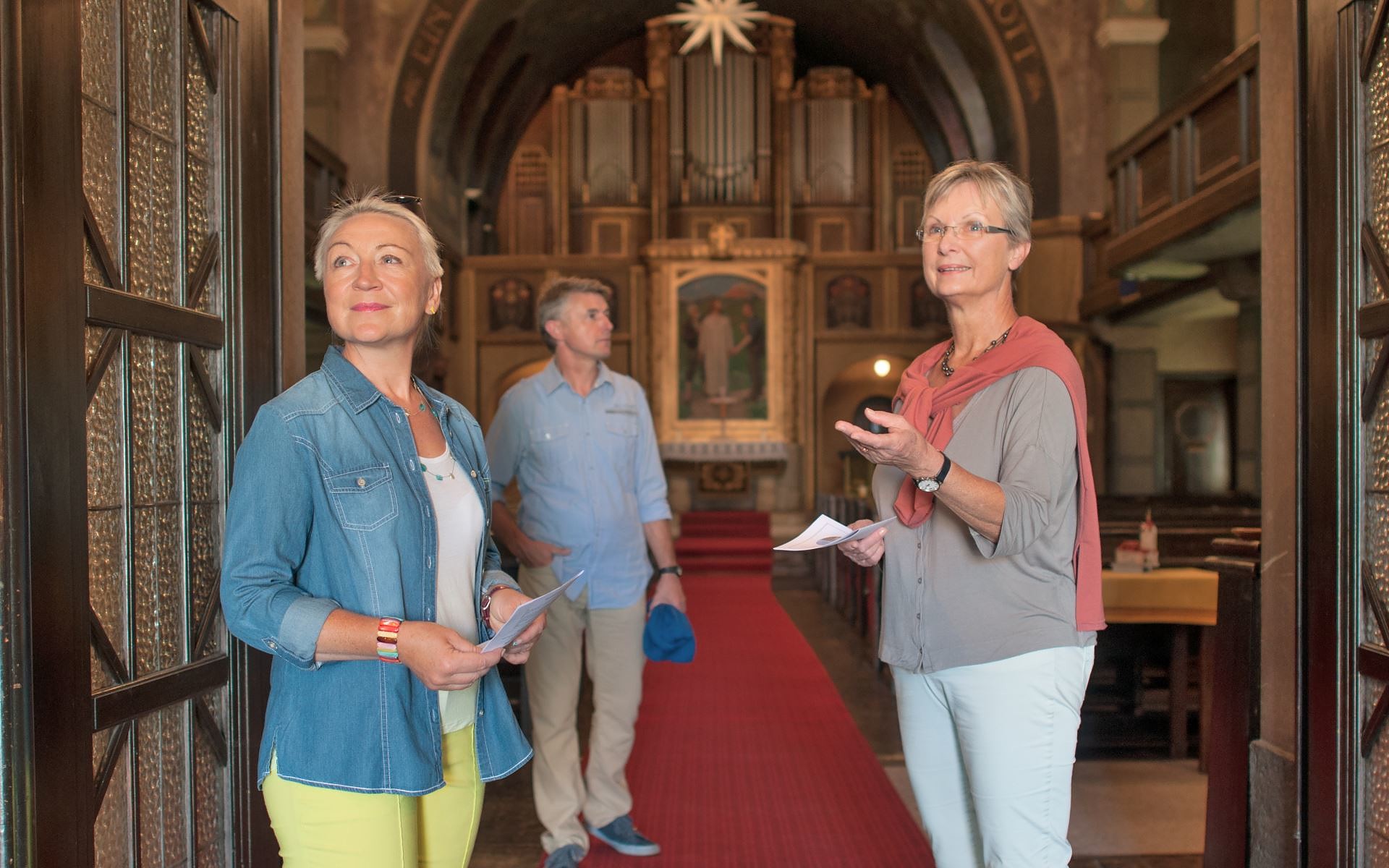
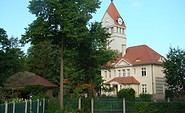
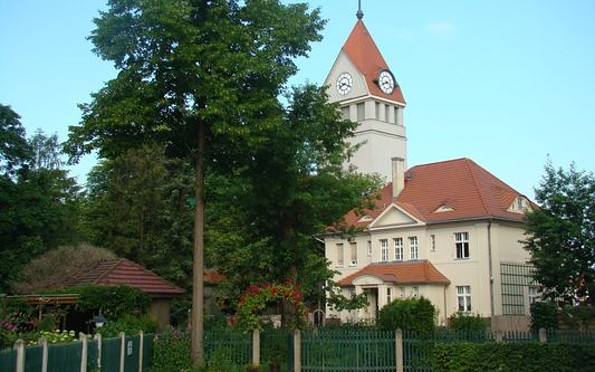
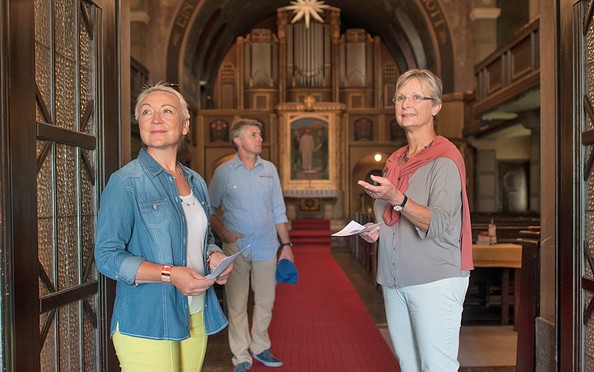
Gartenstadt Marga - Bergmannskirche Martin Luther, Foto: TV LSL/Nada Quenzel
Die Gartenstadt Marga, Foto: Stadt Senftenberg
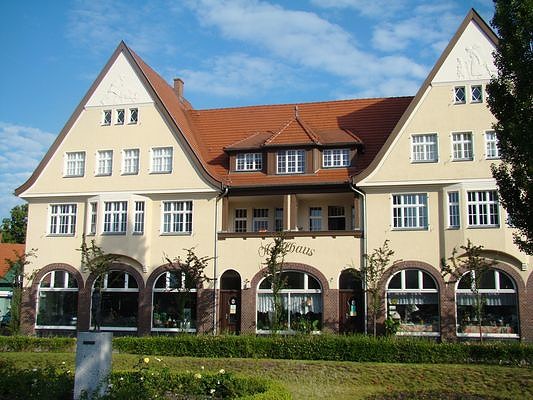
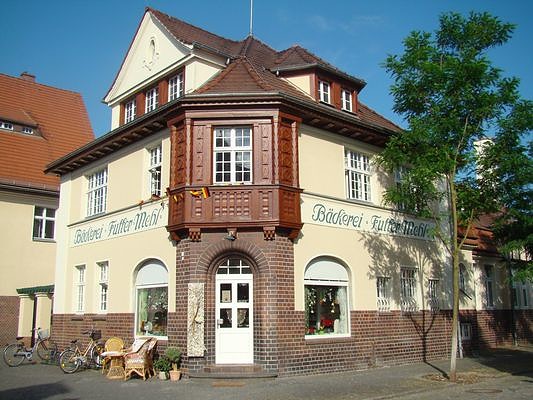
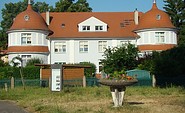
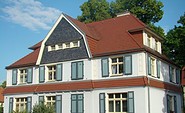
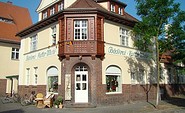
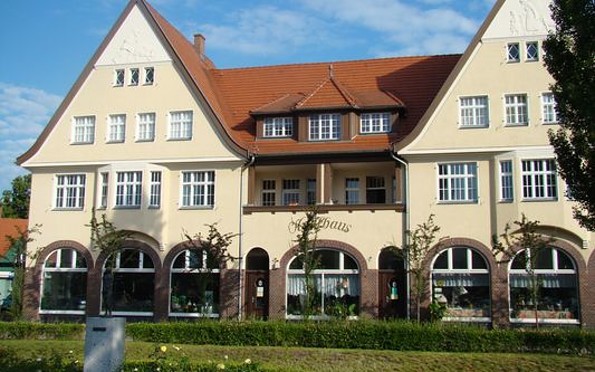
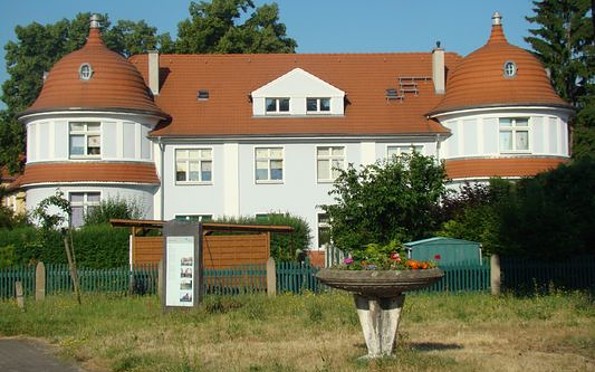
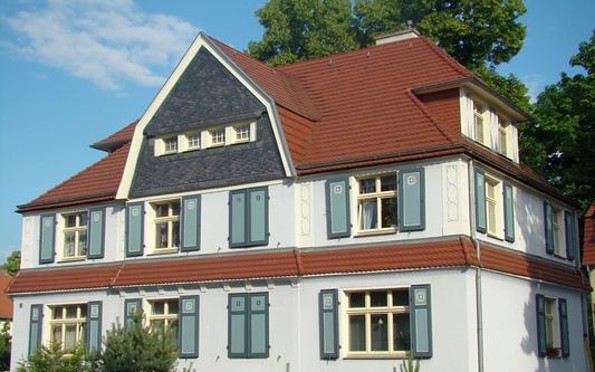
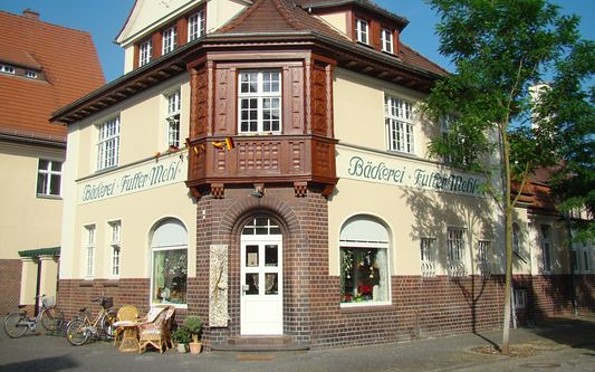
The garden city Marga is a fascinating place. A manor style gable here, English country house style there, combined with bright colours, half-timbered and Art Nouveau elements, and in the centre a market square with a church, school, department store and a post office. At first glance, the garden city “Marga” seems like a normal small town: tidy, ordinary and homely. However, Marga is a work of art: The garden city was designed on the drawing board and then built by a single developer and within just a few years. In the early 20th century, the mining company Ilse Bergbau AG realised its vision of a works housing estate with high quality of living – Germany’s first garden city.

Green alleyways, gardens with blossoming fruit trees and individual architecture with artisan elements: The contrast to the dreary tenements in which factory workers in big cities lived, could hardly be more pronounced. The garden city Marga is evidence of visionary and responsible entrepreneurialism, as well as of the prosperity of the formerly thriving industrial region. 

The original 78 houses of the garden city were built between 1907 and 1915. The goal was to create a functional yet people-friendly residential area for mining staff and their families. It is obvious that the architect Georg Heinsius von Mayenburg was very successful in achieving this objective. 

Tip: Guided walks around the garden city and exhibitions in two places focus on the special living conditions of the workers:
  • “Geschichte der Gartenstadt” (“History of the Garden City”), on the corner of Platz des Friedens 4 and Franz-Mehring-Strasse
  • “Leben und Arbeiten in Marga” (“Life and Work in Marga”) and “Das schwarze Gold ist verbrannt” (“Burned Black Gold”), Platz des Friedens 2


For cyclists:

Continue readingcollapse
Welcome to Germany’s oldest garden city – and the most beautiful works housing estate of the Lausitz region.
Continue readingcollapse
Gartenstadt Marga - Ausstellung, Foto: TV LSL/Nada Quenzel
Die Gartenstadt Marga, Foto: Stadt Senftenberg
Gartenstadt Marga - Bergmannskirche Martin Luther, Foto: TV LSL/Nada Quenzel
Die Gartenstadt Marga, Foto: Stadt Senftenberg
The garden city Marga is a fascinating place. A manor style gable here, English country house style there, combined with bright colours, half-timbered and Art Nouveau elements, and in the centre a market square with a church, school, department store and a post office. At first glance, the garden city “Marga” seems like a normal small town: tidy, ordinary and homely. However, Marga is a work of art: The garden city was designed on the drawing board and then built by a single developer and within just a few years. In the early 20th century, the mining company Ilse Bergbau AG realised its vision of a works housing estate with high quality of living – Germany’s first garden city.

Green alleyways, gardens with blossoming fruit trees and individual architecture with artisan elements: The contrast to the dreary tenements in which factory workers in big cities lived, could hardly be more pronounced. The garden city Marga is evidence of visionary and responsible entrepreneurialism, as well as of the prosperity of the formerly thriving industrial region. 

The original 78 houses of the garden city were built between 1907 and 1915. The goal was to create a functional yet people-friendly residential area for mining staff and their families. It is obvious that the architect Georg Heinsius von Mayenburg was very successful in achieving this objective. 

Tip: Guided walks around the garden city and exhibitions in two places focus on the special living conditions of the workers:
  • “Geschichte der Gartenstadt” (“History of the Garden City”), on the corner of Platz des Friedens 4 and Franz-Mehring-Strasse
  • “Leben und Arbeiten in Marga” (“Life and Work in Marga”) and “Das schwarze Gold ist verbrannt” (“Burned Black Gold”), Platz des Friedens 2


For cyclists:

Continue readingcollapse

Comfort Information

Arrival planner

Platz des Friedens

01968 Senftenberg

Weather Today, 22. 9.

12 18
few clouds

  • Wednesday
    8 17
  • Thursday
    10 14

Tourist information

Tourismusverband Lausitzer Seenland e.V.

Am Stadthafen 2
01968 Senftenberg

Tel.: +49 (0) 3573-725300-0
Fax: +49 (0) 3573-725300-9

Weather Today, 22. 9.

12 18
few clouds

  • Wednesday
    8 17
  • Thursday
    10 14

All information, times and prices are regularly checked and updated. Nevertheless, we can not guarantee the accuracy of the data. We recommend that you inquire about the current status by phone / e-mail or via the provider's website before your visit.

Call the TMB holiday hotline at +49 (0)331-200 47 47 +49(0)331 2004747​ We are available for you via telephone: weekdays Mon – Fri 9 am – 1 pm and Oct. 31 from 9 am – 1 pm.
Online booking

Thank you for visiting www.brandenburg-tourism.com

This website has been developed with the latest technology. Unfortunately, you are using a browser that does not meet the latest technical requirements.

We therefore ask you to use an alternative browser (E.g. Google Chrome, Firefox or Edge) and we hope you enjoy browsing our website.

Logo www.brandenburg-tourism.com