Schinkel-Kirche Petzow church

Churches
0 Ratings of 5 (0)
0
0
0
0
0
How did you like your stay? You have already rated your stay.
Churches
From €
Show availability & price

p.P. = per person, p.P./N = per person / night, p.E./N = per unit / night, EZ = Single room, DZ = double room, FeWo = holiday home, App. = apartment, Suite = suite, FR = Breakfast, HP = half board, VP = full board
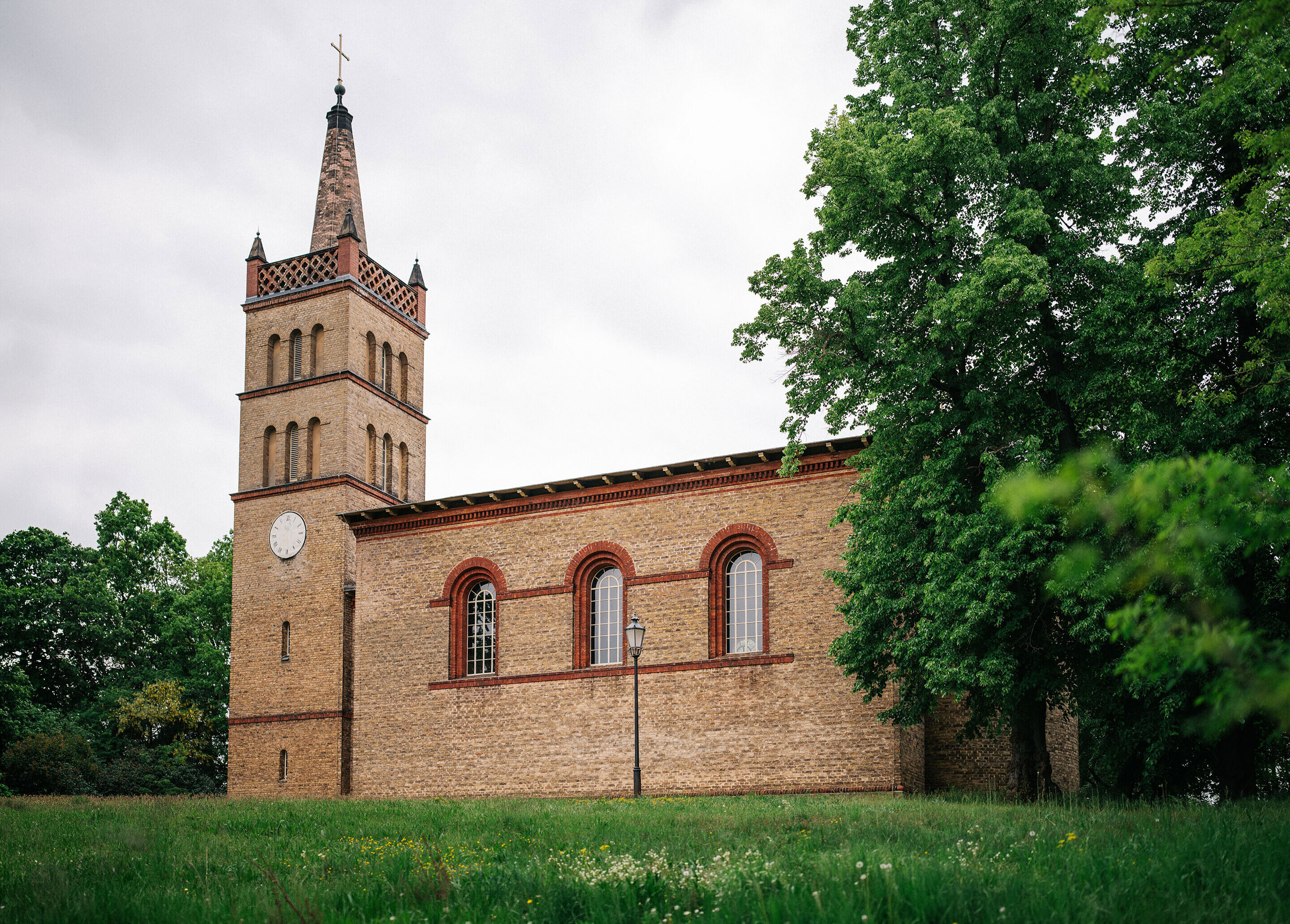
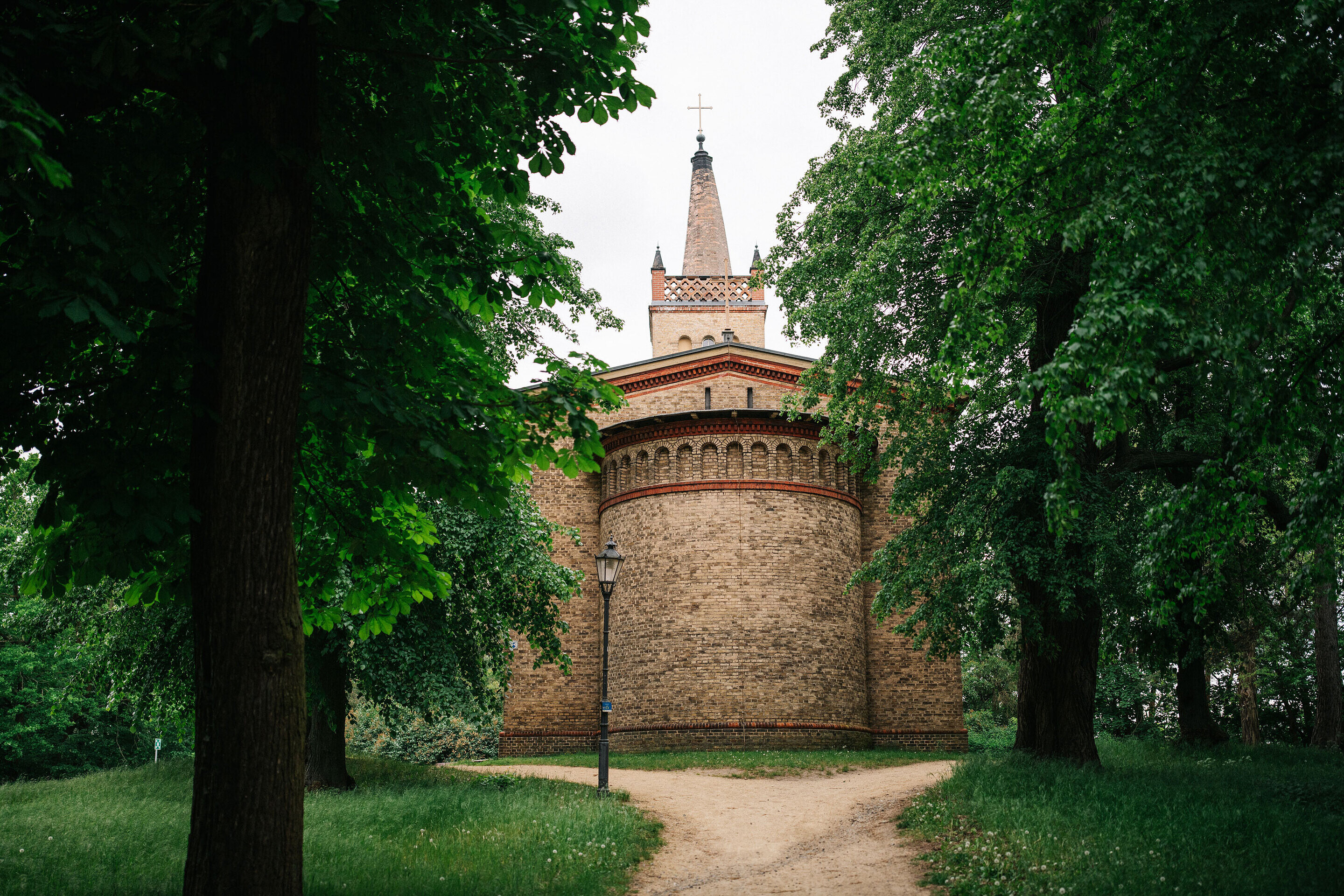
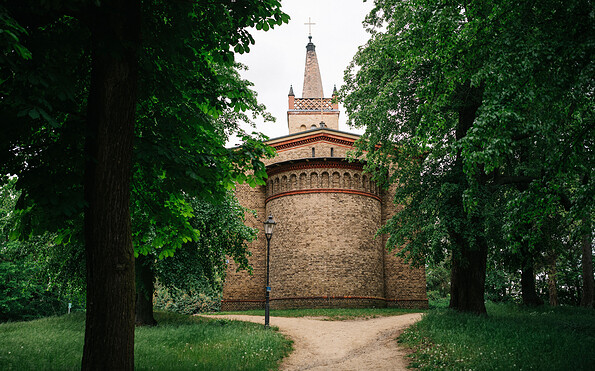
The history of the construction of the Petzow village church on the Grelleberg is marked by a certain tragicomic note and appears remarkably timeless. The design submitted by Karl Friedrich Schinkel nearly failed due to strict Prussian frugality—along with the loss of the distinctive appearance of this unique structure as we know it today. Ultimately, however, Schinkel’s plans prevailed over the cost-cutting proposals of the Royal Zauche building councillor Redtel, who had suggested simplifying the apse, the connecting hall between the tower and the nave, and parts of the tower construction. A decisive factor in the success of the design was the support of the Prussian crown prince, later king, who was actively involved in both the design and the location of the church.
Continue readingcollapse
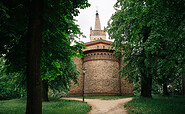
  • Schinkelkirche Petzow, Foto: Steven Ritzer, Lizenz: Tourismusverband Havelland e.V.
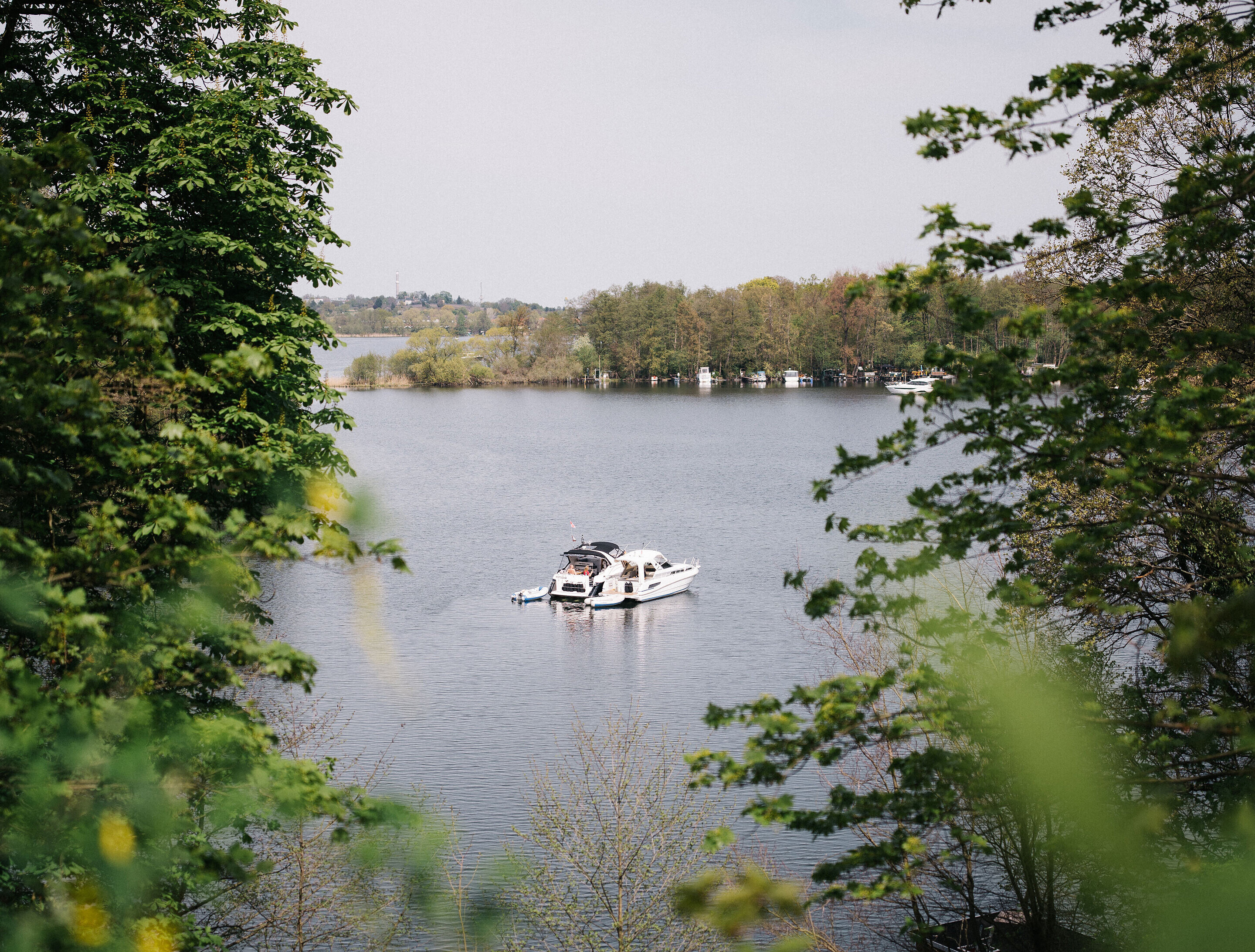
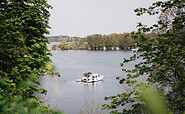
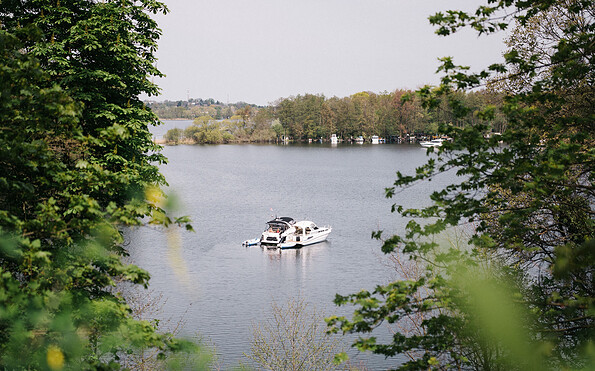
  • Ausblick vom Kirchenturm Petzow, Foto: Steven Ritzer, Lizenz: Tourismusverband Havelland e.V.
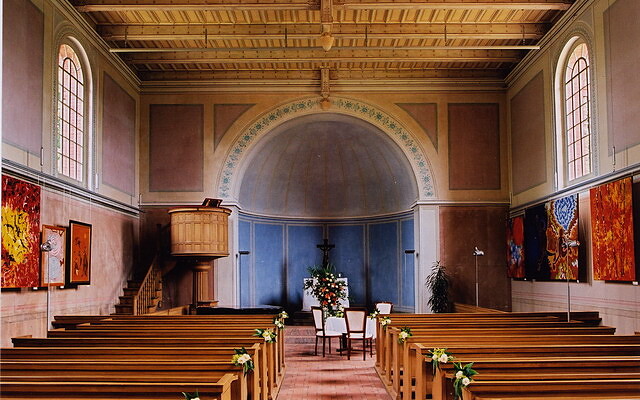
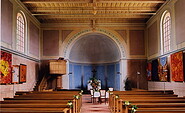
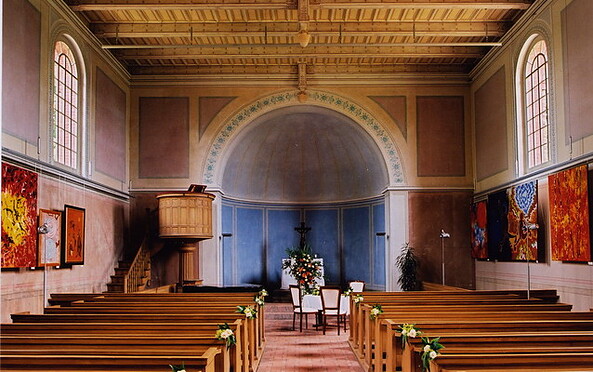
  • Schinkelkirche Petzow Altar, Foto: Landkreis Potsdam-Mittelmark
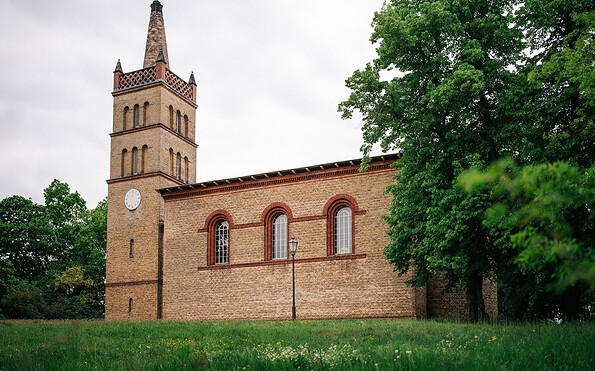
  • Schinkelkirche Petzow, Foto: Steven Ritzer, Lizenz: Tourismusverband Havelland e.V.
The idea to build the church also originated from Crown Prince Frederick William. The result was a delicate structure that is not only an eye-catcher itself but also offers an impressive panoramic view. It is already the second church in Petzow: the old half-timbered church in the park near the manor house had been severely damaged at the beginning of the 19th century and had to be replaced.

An important role was played by the estate owner Carl Friedrich August von Kaehne. As the owner of two brickworks, he provided building materials such as bricks, clinker, lime, and sand at cost price, thereby making a significant contribution to the financing.

The foundation stone was laid on October 4, 1840, after the foundations had already been completed. Construction began on August 19, 1841, and the church was ceremoniously consecrated on October 30, 1842—in the presence of the royal couple and under the direction of Bishop Daniel Neander.

Schinkel himself did not live to see its completion. Construction management was taken over by his successor Ludwig Persius, supported on site by Gustav Emil Prüfer as well as the government and building councillor Carl Redtel. However, involvement by August Stüler cannot be proven.

The old church was demolished in 1842. In its place, a sandstone cross was erected in 1856, following an order by Frederick William IV, to mark and preserve former church sites.

Theodor Fontane also visited Petzow later as part of his “Walks through the Mark Brandenburg.” At first, he was critical of the simple interior, which he felt preserved too few historical elements. However, his impression quickly changed: he was particularly impressed by the panoramic view from the tower, which made him forget his initial skepticism.

Today, the simplicity once perceived as “bare” is regarded as pleasant and clear. Since the 1980s, the church has been deconsecrated and serves as a cultural venue. Exhibitions, concerts, and events are held there regularly. Thanks to modern facilities, it can be used year-round.

In addition, the church is a popular venue for weddings and baptisms and functions as an external office of the registry office of Werder (Havel). Since its reopening in 1994, around 1,500 couples have been married there.
Continue readingcollapse
The history of the construction of the Petzow village church on the Grelleberg is marked by a certain tragicomic note and appears remarkably timeless. The design submitted by Karl Friedrich Schinkel nearly failed due to strict Prussian frugality—along with the loss of the distinctive appearance of this unique structure as we know it today. Ultimately, however, Schinkel’s plans prevailed over the cost-cutting proposals of the Royal Zauche building councillor Redtel, who had suggested simplifying the apse, the connecting hall between the tower and the nave, and parts of the tower construction. A decisive factor in the success of the design was the support of the Prussian crown prince, later king, who was actively involved in both the design and the location of the church.
Continue readingcollapse
  • Schinkelkirche Petzow, Foto: Steven Ritzer, Lizenz: Tourismusverband Havelland e.V.
  • Ausblick vom Kirchenturm Petzow, Foto: Steven Ritzer, Lizenz: Tourismusverband Havelland e.V.
  • Schinkelkirche Petzow Altar, Foto: Landkreis Potsdam-Mittelmark
  • Schinkelkirche Petzow, Foto: Steven Ritzer, Lizenz: Tourismusverband Havelland e.V.
The idea to build the church also originated from Crown Prince Frederick William. The result was a delicate structure that is not only an eye-catcher itself but also offers an impressive panoramic view. It is already the second church in Petzow: the old half-timbered church in the park near the manor house had been severely damaged at the beginning of the 19th century and had to be replaced.

An important role was played by the estate owner Carl Friedrich August von Kaehne. As the owner of two brickworks, he provided building materials such as bricks, clinker, lime, and sand at cost price, thereby making a significant contribution to the financing.

The foundation stone was laid on October 4, 1840, after the foundations had already been completed. Construction began on August 19, 1841, and the church was ceremoniously consecrated on October 30, 1842—in the presence of the royal couple and under the direction of Bishop Daniel Neander.

Schinkel himself did not live to see its completion. Construction management was taken over by his successor Ludwig Persius, supported on site by Gustav Emil Prüfer as well as the government and building councillor Carl Redtel. However, involvement by August Stüler cannot be proven.

The old church was demolished in 1842. In its place, a sandstone cross was erected in 1856, following an order by Frederick William IV, to mark and preserve former church sites.

Theodor Fontane also visited Petzow later as part of his “Walks through the Mark Brandenburg.” At first, he was critical of the simple interior, which he felt preserved too few historical elements. However, his impression quickly changed: he was particularly impressed by the panoramic view from the tower, which made him forget his initial skepticism.

Today, the simplicity once perceived as “bare” is regarded as pleasant and clear. Since the 1980s, the church has been deconsecrated and serves as a cultural venue. Exhibitions, concerts, and events are held there regularly. Thanks to modern facilities, it can be used year-round.

In addition, the church is a popular venue for weddings and baptisms and functions as an external office of the registry office of Werder (Havel). Since its reopening in 1994, around 1,500 couples have been married there.
Continue readingcollapse

Tip!
Jan Hoffmann (TMB-Mitarbeiter)

Einer meiner Lieblingsplätze im Havelland: vom Kirchturm hat man einen wunderschönen Ausblick. Der Schlosspark Petzow und mehrere Cafés laden zum Verweilen ein.
Jan Hoffmann (TMB-Mitarbeiter)

Tip!
Jan Hoffmann (TMB-Mitarbeiter)

Einer meiner Lieblingsplätze im Havelland: vom Kirchturm hat man einen wunderschönen Ausblick. Der Schlosspark Petzow und mehrere Cafés laden zum Verweilen ein.
Jan Hoffmann (TMB-Mitarbeiter)

Arrival planner

Fercher Straße 52

14542 Werder (Havel) OT Petzow

Weather Today, 14. 5.

8 13
broken clouds

  • Friday
    4 15
  • Saturday
    6 15

Tourist information

Tourismusverband Havelland e.V.

Theodor-Fontane-Straße 10
14641 Nauen OT Ribbeck

Tel.: +49 (0) 33237-859030
Fax: +49 (0) 33237-859040

Weather Today, 14. 5.

8 13
broken clouds

  • Friday
    4 15
  • Saturday
    6 15

All information, times and prices are regularly checked and updated. Nevertheless, we can not guarantee the accuracy of the data. We recommend that you inquire about the current status by phone / e-mail or via the provider's website before your visit.